
Hibiscus Tea (Zobo, Sorrel): Benefits, Blood Pressure Evidence and Who Should Avoid It
Hibiscus tea benefits: what 17 trials show about blood pressure, how much evidence there is, drug interactions, pregnancy cautions and how to make it.
Quick answer: Hibiscus tea, also called zobo, sorrel or bissap, is made from the dried red calyces of Hibiscus sabdariffa. Trials suggest it may lower blood pressure modestly, but the evidence varies a lot between studies. It may interact with blood pressure medicines and diuretics, and pregnancy safety is not established, so check with your doctor before drinking it regularly. We found no human evidence that it reduces inflammation.
Hibiscus tea is tart, deep red and drunk hot or cold across West Africa, the Caribbean, Mexico and the Middle East. It appears on most anti-inflammatory food lists, so this guide checks what the research actually shows, including the one area with real trial data, blood pressure, and the cautions.
What Is Hibiscus Tea?
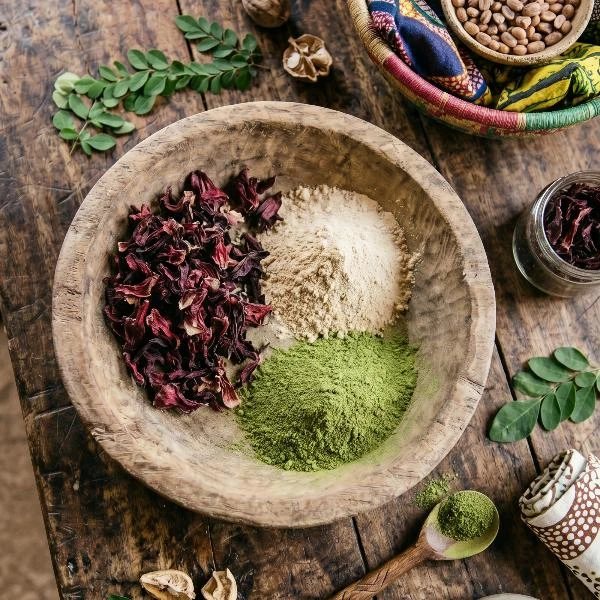
The tea is an infusion of the dried calyces of Hibiscus sabdariffa, not the large garden flowers. It is known as zobo in Nigeria, sorrel in the Caribbean, bissap in Senegal and other French-speaking countries, and jamaica in Mexico. It is naturally caffeine-free as a plant infusion and is traditionally steeped with ginger, cloves or citrus and often sweetened.
What the Blood Pressure Trials Show
A 2022 systematic review and meta-analysis in Nutrition Reviews pooled 17 randomized controlled trials of Hibiscus sabdariffa. Compared with controls, hibiscus lowered systolic blood pressure by 7.10 mmHg overall (95% confidence interval from 13.00 down to 1.20), and diastolic pressure by 3.26 mmHg, which was not statistically significant. Against placebo, the systolic fall was larger at 10.05 mmHg. Differences against blood pressure medicines were not significant.
The authors are open about the limits. The trials varied enormously (heterogeneity of around 94 to 95 percent for the overall comparisons), there were moderate risks of bias, products were inconsistently characterized, and the number of comparable studies was small. Larger reductions were seen in people with higher starting blood pressure, and studies lasting more than 4 weeks showed significant reductions in both systolic and diastolic pressure, while doses of 1 gram a day or less were not significant. They conclude that regular hibiscus could reduce cardiovascular risk and that more studies, especially ones over 8 weeks, are needed.
- What this supports: a modest blood pressure effect in some trials, especially at higher starting pressure.
- What this does not support: replacing blood pressure medicine, or using hibiscus as an anti-inflammatory treatment.
- What is unknown: the best dose, the best product, and the effect over many months.
Is Hibiscus Tea Anti-Inflammatory?
The research that gets hibiscus onto anti-inflammatory lists is mostly about blood pressure and other cardiometabolic markers, or laboratory and animal work on its plant compounds. We did not find human trials showing that drinking it reduces inflammation in a condition such as arthritis or inflammatory bowel disease. Harvard's Nutrition Source lists tea among the foods in an anti-inflammatory pattern and recommends limiting sugary drinks, so an unsweetened hibiscus tea instead of a soda fits the pattern. It is a better drink choice, not a treatment.
Cautions: Medicines, Pregnancy and Sugar
- Blood pressure medicines: hibiscus lowered blood pressure in the trials, so it could add to the effect of antihypertensive drugs. Ask your doctor, and check your blood pressure if you start drinking it regularly.
- Hydrochlorothiazide and other diuretics: in a 2011 study in the Journal of Medicinal Food, hibiscus extract given with hydrochlorothiazide to rats and rabbits increased urine volume and raised the drug's plasma levels. It was an animal study, and the authors describe a possible herb-drug interaction that could matter to people taking antihypertensives.
- Low blood pressure: people with a tendency to low blood pressure may feel dizzy.
- Pregnancy and breastfeeding: safety has not been established, and the monographs we found advise avoiding it or asking a clinician first. Ask your doctor.
- Sugar: zobo and sorrel are often made with a lot of sugar. The CDC advises keeping added sugars low, so go easy or leave it out.
- Other medicines: some monographs list acetaminophen, chloroquine and diclofenac as possible interactions, but the clinical significance has not been evaluated. Tell your pharmacist what you take.
How to Make Hibiscus Tea
- Put a handful of dried hibiscus calyces in a pot or jug with a slice of ginger and a strip of lemon or orange peel.
- Pour over about four cups of hot water and steep for around 15 minutes.
- Strain, and drink warm or chilled. Add a little honey only if you want it.
- Keep chilled and use within a few days.
Buying Hibiscus Products
Bottled hibiscus drinks and tea blends vary. Look for plain dried hibiscus or tea bags with a short ingredient list, and read the label on ready-to-drink versions for added sugar, sweeteners and flavorings. Foodsage lets you choose avoid categories such as added sugars and artificial additives, scan a drink or ingredient list, and see which ingredients matched. It does not diagnose or treat any condition and does not know your medicines, so check with your doctor or pharmacist.
For more global recipes built on whole foods, see our global flavors guide and the anti-inflammatory diet guide. This guide is general information, not medical advice.
Continue reading
- Pillar guideAnti-Inflammatory Recipes From Around the World: A Global Flavors Guide
- GuideWest African Leafy Greens: Ugwu, Jute Leaves, Uziza and Water Leaf Explained
- Pillar guideAnti-Inflammatory Diet: What to Eat, What to Avoid and What the Evidence Shows
- GuideHausa Koko: What It Is, How It Is Made and a Simple Millet Porridge Recipe
- GuideFonio: What It Is, Whether It Is Gluten-Free and How to Cook It
Bring inclusive wellness benefits to your team.
MetricPoint gives employers a modern, everyday wellness benefit employees actually use.
Request Demo