
Anti-Inflammatory Recipes From Around the World: A Global Flavors Guide
Anti-inflammatory recipes and global flavors: dishes from West Africa, the Mediterranean and South Asia, with swaps for nightshades, legumes, nuts and other allergens.
Quick answer: An anti-inflammatory plate can come from any cuisine. The common thread, according to Harvard's Nutrition Source, is vegetables, fruit, whole grains, legumes, olive oil, nuts, fish, herbs and spices, with little sugary drink, refined carbohydrate and processed meat. This guide takes that pattern around the world, with recipes and swaps for autoimmune diets and food allergies, and is honest that the evidence is about patterns and not about any single traditional ingredient.
Eating anti-inflammatory food does not have to mean the same grilled chicken and salad every week. Cooks in West Africa, the Mediterranean, South Asia and the Americas have long built meals around greens, beans, fish, grains and spices. Below are dishes from those traditions, simple recipes to try, and a table showing what to change if you avoid nightshades, legumes, nuts or other foods. For the evidence behind the pattern, read our anti-inflammatory diet guide.
What Makes a Dish Anti-Inflammatory, in Any Cuisine
The Harvard Nutrition Source says there is no single anti-inflammatory diet plan, and that the Mediterranean and DASH diets already include many of its foods. It lists fruits and vegetables in a variety of colors, high-fiber whole grains, legumes, unsaturated fats such as olive oil, nuts and seeds, omega-3-rich fish, tea and coffee, and herbs and spices such as turmeric and ginger, and says to limit sugary drinks, refined carbohydrates, fried foods and processed meats. It also notes that research on the mechanism is not conclusive and that much of the evidence is observational.
That is a useful test for any recipe from any country: is it mostly plants, with a healthy fat and a protein such as fish or beans, flavored with herbs and spices, and low in added sugar and refined starch? If so, it fits the pattern, whatever its origin.
Global Flavors, Region by Region
West Africa
West African cooking leans on leafy greens, okra, fish, beans, and millet or fonio porridges, with hibiscus drinks and ginger-spiced breakfasts. We cover the ingredients in separate guides: ugwu, jute leaves, uziza and water leaf, hibiscus tea, fonio and Hausa koko. Many stews also rely on tomatoes and chili peppers, which are nightshades.
The Mediterranean
Harvard names the Mediterranean diet as an example of an anti-inflammatory pattern: vegetables, legumes, whole grains, olive oil, nuts and fish. It cites a randomized trial in people at risk for cardiovascular disease in which a Mediterranean diet significantly lowered several inflammation markers compared with a low-fat diet. Markers are not disease outcomes, and Harvard says the mechanism is not conclusive.
South Asia
Lentil and vegetable dals, with ginger, garlic, cumin and turmeric, are an everyday way to eat legumes and vegetables. The turmeric is a flavor and not a treatment: NCCIH says there is not enough evidence to conclude that turmeric or curcumin is beneficial for any health purpose, and that highly bioavailable curcumin supplements have been linked to liver damage. Cooking with turmeric is not the same as taking a supplement.
The Americas and the African diaspora
Black-eyed pea and greens stews carry West African ingredients into Southern and Caribbean cooking. The Arthritis Foundation notes that beans contain fiber and phytonutrients that help lower CRP, a blood marker of inflammation, and recommends about a cup of beans twice a week or more as part of its arthritis eating pattern.
Six Recipes to Start With
These are home-cooking illustrations built from the pattern above, with ordinary quantities. Adjust seasoning and portions for yourself.
1. Black-Eyed Pea and Kale Stew
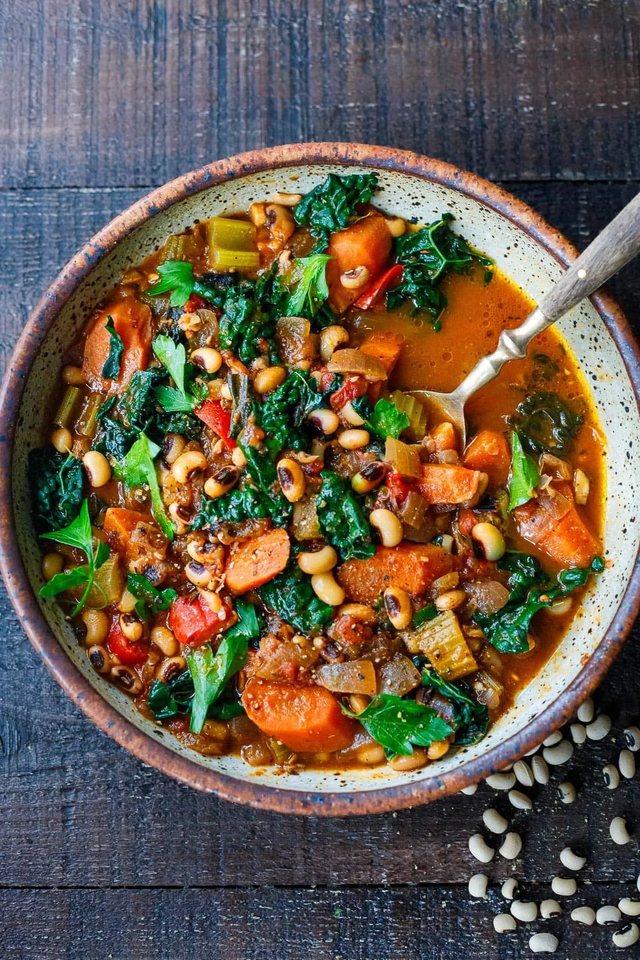
- Serves 4. Prep 15 minutes, cook 35 minutes.
- Ingredients: 1 tablespoon olive oil, 1 chopped onion, 2 chopped carrots, 2 chopped celery stalks, 2 garlic cloves, 1 teaspoon ground cumin, 1 can of tomatoes (optional), 1 1/2 cups cooked black-eyed peas, 4 cups vegetable broth, 1 bunch of kale, lemon juice, parsley.
- Method: Soften the onion, carrots and celery in the oil. Add the garlic, cumin, tomatoes, peas and broth, and simmer until the vegetables are tender. Stir in the kale until wilted. Finish with lemon and parsley.
- Flags: black-eyed peas are legumes, and tomatoes and paprika-type spices are nightshades. For a nightshade-free version, leave out the tomatoes and use extra broth, lemon and herbs.
2. Fish With Okra and Onion Stew
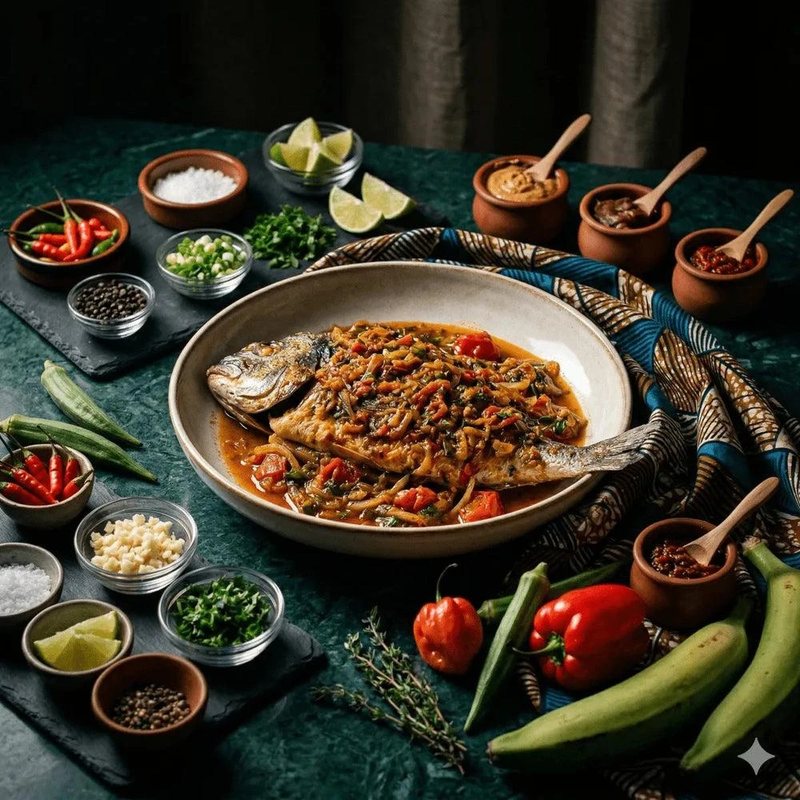
- Serves 2. Prep 15 minutes, cook 20 minutes.
- Ingredients: 2 fish fillets or whole small fish, 1 tablespoon olive oil, 1 sliced onion, 3 garlic cloves, a thumb of ginger, 1 cup sliced okra, thyme, parsley, lemon, black pepper, and optionally chopped tomatoes and a small chili.
- Method: Soften the onion, garlic and ginger in the oil. Add the okra, herbs and a splash of water, then lay the fish on top, cover and steam until it flakes with a fork. Finish with lemon.
- Flags: fish is a common allergen. Tomatoes and chilies are nightshades, so skip them for a nightshade-free version.
3. Leafy Greens With Okra
- Serves 3. Prep 10 minutes, cook 15 minutes.
- Ingredients: 1 large bunch of greens such as kale, collards, spinach or, where available, ugwu, 1 cup sliced okra, 1 onion, 2 garlic cloves, ginger, 1 tablespoon olive oil, lemon juice.
- Method: Soften the onion, garlic and ginger in the oil, add the okra, then the greens, and cook until just tender. Finish with lemon.
- Flags: if you take warfarin, keep leafy green intake steady and ask your doctor (see the warfarin note below).
4. Ginger Millet Porridge
- Serves 2. Prep 5 minutes, cook 20 minutes.
- Ingredients: 1/2 cup millet, 2 1/2 cups water, a thumb of ginger, 2 cloves, black pepper, optional fruit to serve.
- Method: Simmer everything until the millet is soft and creamy, then remove the cloves. See our Hausa koko guide for the traditional fermented version.
- Flags: millet is naturally gluten-free, but check labels for cross-contact if you have celiac disease.
5. Hibiscus Iced Tea
- Serves 4. Prep 5 minutes, steep 15 minutes, chill.
- Ingredients: a handful of dried hibiscus calyces, 4 cups of hot water, a slice of ginger, lemon or orange peel, and a little honey only if you want it.
- Method: Steep the calyces and ginger in the hot water, strain and chill.
- Flags: hibiscus can lower blood pressure and may interact with some medicines. See our hibiscus tea guide before drinking it regularly.
6. Lentil and Vegetable Dal
- Serves 4. Prep 10 minutes, cook 30 minutes.
- Ingredients: 1 cup red lentils (rinsed), 4 cups water, 1 onion, 3 garlic cloves, a thumb of ginger, 1 teaspoon turmeric, 1 teaspoon cumin, 2 handfuls of spinach, lemon juice, 1 tablespoon olive oil.
- Method: Soften the onion, garlic and ginger in the oil, add the spices, lentils and water, and simmer until soft. Stir in the spinach and lemon.
- Flags: lentils are legumes. Turmeric in food is a flavoring, and NCCIH says there is not enough evidence that it benefits any health condition.
Adapting Global Recipes for Autoimmune Diets and Allergies
| Ingredient | Where it shows up | Why it may matter | Possible swap |
|---|---|---|---|
| Tomatoes, peppers and chili | Many West African and South Asian stews and sauces | Nightshade vegetables, which the AIP removes during elimination, and a trigger some people report | More onion, garlic, ginger, herbs and lemon; roasted carrot or pumpkin for body |
| Beans, lentils and black-eyed peas | Stews, dals, porridges, fritters | Legumes, which the AIP removes; a common allergen for some people | More vegetables and fish or poultry; seeds if allowed on your plan |
| Groundnut (peanut), egusi (melon seed) and sesame | Soup thickeners and sauces | Peanuts are a legume and a major allergen; seeds and nuts are removed on the AIP | Okra or well-cooked greens to thicken; check with your allergist |
| Fish and shellfish | Stews, grilled dishes, seasonings such as dried crayfish | Common allergens | Poultry or beans, if they suit you |
| Stock cubes and spice blends | Almost every cuisine | May contain gluten, soy, milk, added sugar or seed oils | Make your own broth and blends; check labels |
| Wheat, barley and rye products | Breads, couscous, some dumplings | Contain gluten, which is the trigger in celiac disease | Millet, fonio or rice, certified gluten-free if you have celiac disease |
If You Take Warfarin or Have Kidney Stones
- Warfarin: MedlinePlus says some foods that contain vitamin K can affect how warfarin works, advises eating consistent amounts of vitamin K-containing food week to week, and says not to eat large amounts of leafy green vegetables and to talk to your doctor before changing your diet. A recipe built around greens needs a conversation with your care team first.
- Kidney stones: NIDDK says that if you have had calcium oxalate stones you may want to avoid foods high in oxalate, and it lists nuts, peanuts, rhubarb, spinach and wheat bran. Ask your doctor how that applies to leafy greens in your diet.
Weekly Global Menus With Foodsage
Foodsage creates personalized weekly anti-inflammatory meal plans, including AIP-diet and PCOS-friendly recipes, and its menus draw on cuisines from around the world. In setup you choose your conditions (such as celiac disease, diabetes, IBD, Graves' disease, Hashimoto's, lupus, PCOS, multiple sclerosis or rheumatoid arthritis), your sensitivities (such as dairy, gluten, FODMAP, nightshade, nuts, shellfish and soy) and the ingredients you want to avoid, and the plan and the ingredient checks are built around them. Each scan of a packaged food returns a verdict that names the ingredients that matched.
No app can guarantee that a recipe or product is safe for you. Read every label, especially for allergens and cross-contact, and check with your doctor or dietitian. Foodsage does not diagnose or treat any condition.
Who Should Be Careful
If you have an autoimmune condition, diabetes, a food allergy, celiac disease or kidney disease, or you take medicines that interact with food or herbs, check these recipes with your doctor or dietitian. If you have or have had an eating disorder, talk to your care team before following any food plan. This guide is general information, not medical advice.
Cluster articles
- Pillar guideAnti-Inflammatory Diet: What to Eat, What to Avoid and What the Evidence Shows
- GuideAnti-Inflammatory Diet Recipes: 10 Simple Recipes Built on Whole Foods
- GuideAnti-Inflammatory Diet Meal Plan: A 7-Day Sample Menu and Shopping List
- GuideWest African Leafy Greens: Ugwu, Jute Leaves, Uziza and Water Leaf Explained
- GuideHibiscus Tea (Zobo, Sorrel): Benefits, Blood Pressure Evidence and Who Should Avoid It
- GuideFonio: What It Is, Whether It Is Gluten-Free and How to Cook It
- GuideHausa Koko: What It Is, How It Is Made and a Simple Millet Porridge Recipe
- GuideAIP Diet: Foods, Phases and What the Evidence Shows
Bring inclusive wellness benefits to your team.
MetricPoint gives employers a modern, everyday wellness benefit employees actually use.
Request Demo