
Employee wellness software: compare platforms, pricing and fit
Quick answer: Employee wellness software is a platform or app an employer offers to support staff health day to day. Most vendors price per employee per month. The published prices in this guide run from $1.25 (Wellable) to $7.99 (MetricPoint) per employee per month, and the right choice depends on which of five jobs you need done.
Employee wellness software is also called corporate wellness software, wellness program software or an employee wellness platform. This guide compares the platforms buyers shortlist, their published pricing, and the questions worth asking before you sign.
Updated October 2026. MetricPoint builds food intelligence apps and sits in the last category below. Other platforms are named because buyers regularly compare them; we have no commercial relationship with them.
Employee wellness software compared at a glance
Listed by category, not ranked. Pricing is what each vendor publishes on its own site (checked October 2026); where nothing is published, the cell says so.
| Platform | Category | Best for | Published pricing |
|---|---|---|---|
| Wellable | Challenges & incentives | Customizable challenges, on-demand classes, health content and rewards. | Essentials and Pro: $1.25 per user per month ($625 a month as listed), billed monthly with a one-time implementation fee, a one-year standard term and a 25-user minimum. Enterprise is custom. |
| Vantage Fit | Challenges & incentives | Gamified step and activity challenges, run as single events or all year. | Unlimited challenges: $3,200/year (Basic) or $4,000/year (Pro) for 200 employees; scales with headcount. |
| Personify Health | Health plan & care navigation | Wellbeing programs combined with care management and health plan services. | Not published; the site points to a demo request. |
| Wellhub | Gym & wellness network | Access to a large network of gyms and studios plus partner wellness apps. | Employer pricing not published; the site says employers pay annually based on team size and links to sales. Employees choose from tiered monthly plans. |
| Headspace | Mental health | Meditation and sleep content, coaching, therapy and psychiatry. | Not published; the site points to a demo request. |
| Modern Health | Mental health | Self-guided tools, coaching, therapy and crisis care. | Not published; the site says it offers PEPM or usage-based pricing. |
| MetricPoint | Food & ingredient intelligence | Everyday food decisions: ingredient checks for each employee's conditions and sensitivities (Foodsage, available now); halal and baby and household product checks coming soon. | List price $7.99 per employee per month (50–99 employees) or $7.79 (100–250), invoiced annually with a 15% prepay discount; custom pilots above that. |
How much does employee wellness software cost?
Vendors use three main pricing models. Per eligible employee per month (PEPM) charges for everyone who could use the platform, whether or not they do. Per eligible employee per year is the same model billed annually. Per participant charges only for employees who sign up, usually with an annual minimum, as CoreHealth’s buyer’s guide explains.
Digital platforms commonly land somewhere between about $1 and $8 per employee per month, according to Workhuman’s 2026 roundup. Budget separately for implementation and integration fees, health coaching and biometric screening: Wellable’s pricing page, for example, lists coaching and biometric screening as extras on its lower tiers.
Food-decision wellness from a $7.79 list price per employee per month
List price $7.99 per employee per month for teams of 50–99 and $7.79 for 100–250, invoiced annually with a 15% prepay discount, and custom pilots for larger teams. One price covers the whole suite, with no module gating.
Get a quote for your headcountWellness program software features to look for
Feature lists are long; these are the ones that decide whether the program gets used and whether HR can run it.
- Program delivery. Challenges, content, classes or daily-use tools: the thing employees actually open.
- Health assessments. Health risk assessments and biometric screening, if your program needs a baseline.
- Incentives and rewards. Points, rewards fulfilment or premium discounts, if you plan to pay for participation.
- Aggregate reporting. Engagement dashboards built on de-identified data, not individual health records.
- Integrations. HRIS, single sign-on and wearables. Each integration can add cost and setup time.
- Privacy terms. A written commitment that personal health data is never sold or shown to the employer.
- Admin effort. Corporate-domain activation and a ready launch toolkit instead of per-employee setup.
- Daily-use value. How often an employee will open it. Weekly or daily tools stay in front of staff.
The five categories of employee wellness software
| Category | Commonly compared platforms | Best for | Ask about |
|---|---|---|---|
Activity, challenges & incentives | Wellable, Vantage Fit, WellSteps, YuMuuv, Wellness360, Sprout at Work | Company-wide step and habit challenges, wearable syncing, reward points. | Ask what participation looks like once a challenge ends. |
Mental health & therapy access | Modern Health, Headspace, Spring Health | Counselling sessions, coaching and guided mindfulness content. | Ask what share of employees enrol and how the vendor measures it. |
Gym & fitness subsidies | Wellhub (formerly Gympass), ClassPass for Business | Discounted access to gyms and studios across many locations. | Ask who actually uses it, not only who it is available to. |
Health plan & care navigation | Personify Health, CoreHealth, Quantum Health | Biometric screening, health risk assessments, claims-linked programs. | Ask how it is priced and whether it is tied to a specific health plan. |
Food & ingredient intelligence | MetricPoint (Foodsage; SafaScan and LabelBaby coming soon) | Everyday food decisions: allergens and sensitivities, halal verification, baby and household product safety. | Ask how it fits alongside a clinical or mental health program; it complements rather than replaces one. |
Five questions to ask any vendor
How often will an employee open it?
- Daily-use tools stay in front of staff. Food decisions happen several times a day; an annual health assessment happens once.
Does it cover the whole workforce?
- Check that employees with dietary restrictions, religious requirements and young families are served, not only the fitness-motivated.
What does it cost per employee, per month?
- Ask for a per-employee price with no module gating, and for every add-on fee in writing. MetricPoint's list price is $7.99 per employee per month for teams of 50–99 and $7.79 for teams of 100–250, invoiced annually with a 15% prepay discount.
What does HR have to administer?
- Look for corporate-domain activation and a prepared launch toolkit rather than per-employee account setup.
What happens to health data?
- Confirm in writing that personal health data is never sold. Reporting should be aggregate engagement, not individual health records.
How to launch wellness software in 30 days
- Week 1: survey employees on daily friction points (food, family, stress, fitness) and pick the category that matches.
- Week 2: shortlist two or three vendors in that category and run demos against the five questions above.
- Week 3: launch to a pilot group with a one-page announcement and a named internal owner.
- Week 4: open to everyone, then review aggregate engagement at 30, 60 and 90 days.
Platforms that connect to HR systems, claims data or wearables usually need longer. MetricPoint activates by corporate email domain and comes with a launch toolkit for internal communications.
Short answers to the questions buyers ask
What is the best employee wellness software?
There is no single best platform, because the category covers five different jobs. Personify Health (formerly Virgin Pulse), Wellable and Vantage Fit are the names most often cited for activity and incentive programs; Modern Health and Headspace for mental health; Wellhub for gym access; and MetricPoint for everyday food decisions, from a $7.79 list price per employee per month. The best choice is the one matching the outcome you are buying.
Which employee wellness tools work for remote teams?
Remote teams need tools that work without an office, a gym or a shared schedule. Headspace and Modern Health deliver mental health support online; step-challenge platforms such as Vantage Fit and YuMuuv sync from personal wearables. MetricPoint works anywhere an employee shops or eats: Foodsage runs on a personal phone, activates with a corporate email domain, and needs no location, cohort or event to be useful.
Which employee wellness platforms are compared most in 2026?
2026 buyer's guides and roundups commonly compare Wellable, Vantage Fit, Wellness360 and YuMuuv for challenges and incentives; Headspace and Modern Health for mental health; Wellhub for fitness access; and Personify Health for health-plan navigation. MetricPoint covers a category those lists leave out: food and ingredient intelligence. Most companies end up combining one broad platform with one daily-use tool.
Which wellness software supports nutrition coaching?
MyFitnessPal and Noom for Work are names often cited for calorie tracking and coached weight programs. MetricPoint does not offer coaching or calorie counting. Instead, an employee scans a barcode or label in Foodsage and sees which ingredients matter for the conditions and sensitivities they chose, at the moment of the decision. Foodsage also supports meal and symptom logging and personalized weekly meal plans.
Comparing MetricPoint with a challenge platform? Read alternatives to Wellable, alternatives to Vantage Fit or alternatives to YuMuuv.
Where MetricPoint fits: food-decision wellness software
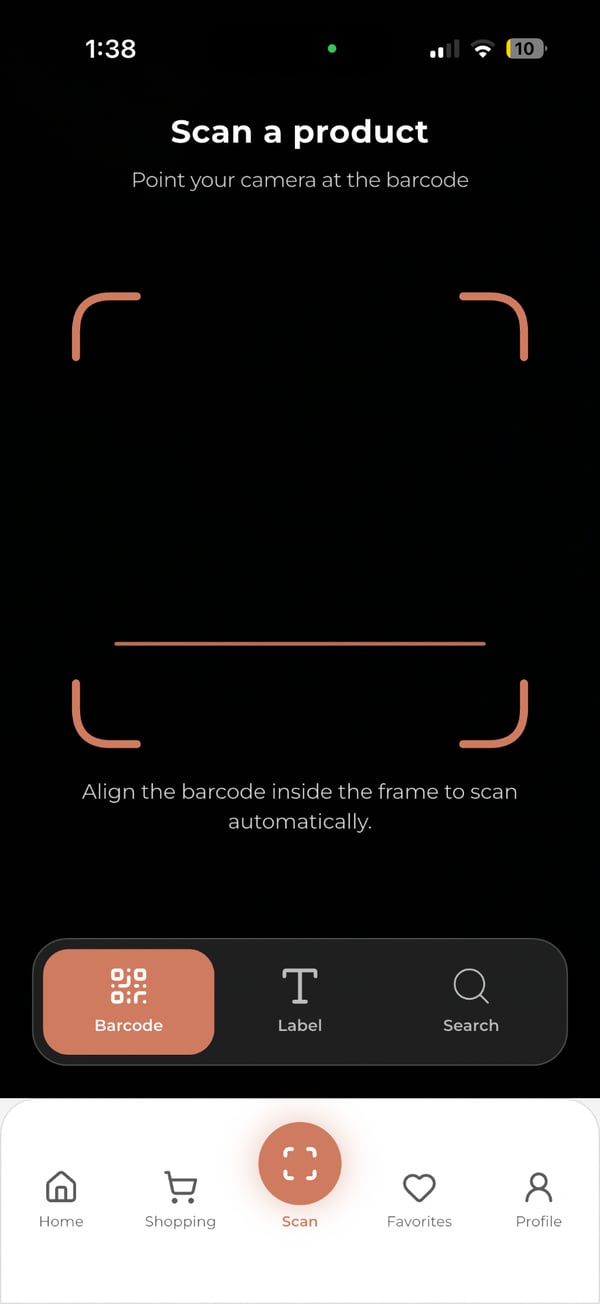
MetricPoint is employee wellness software for the food decisions staff make several times a day. An employee scans a barcode or label and sees which ingredients matter for the conditions and sensitivities they chose. Employers see only aggregate, de-identified usage, never individual scans or profiles.
- Foodsage (available now on iOS and Android): ingredient and allergen checking for food sensitivities and anti-inflammatory eating.
- SafaScan (coming soon): halal ingredient verification for Muslim employees.
- LabelBaby (coming soon): baby food and household product safety for working parents.

The apps provide nutrition and ingredient information. They are wellness tools, not medical advice, and do not diagnose or treat any condition. See the employer overview or the employee wellness program details.
Employee wellness software FAQs
What is employee wellness software?
- Employee wellness software, also called wellness program software, is a platform or app an employer offers to staff to support their health day to day. Most platforms cover fitness challenges, mental health, or health-plan navigation; MetricPoint covers everyday food and ingredient decisions.
What is the best employee wellness software?
- There is no single best platform — it depends on the outcome you want. Challenge and incentive platforms such as Wellable, Vantage Fit, WellSteps and YuMuuv are commonly cited for activity programs; Modern Health and Headspace for Work for mental health; Wellhub for gym access; and MetricPoint for nutrition, allergen, halal and family food decisions.
How much does employee wellness software cost?
- Pricing is usually quoted per employee per month and varies with headcount and modules. MetricPoint's list price is $7.99 per employee per month for teams of 50 to 99 and $7.79 for teams of 100 to 250, invoiced annually with a 15% prepay discount, with custom pilots for larger teams. Foodsage is available now; SafaScan and LabelBaby are coming soon and join the benefit when they launch.
How is MetricPoint different from a corporate wellness program?
- Traditional corporate wellness programs focus on activity tracking, biometrics and incentives. MetricPoint focuses on the food decisions employees make several times a day, including allergen and sensitivity checks, halal verification and baby food safety.
Can employee wellness software support religious and dietary inclusion?
- Yes. Foodsage, available now, checks ingredients against allergens and food sensitivities. SafaScan, for halal ingredient verification, is coming soon and joins the same benefit at launch, so dietary and faith-based needs sit inside one benefit.
What is the difference between corporate wellness software, employee wellness platforms and wellness apps?
- The terms are often used interchangeably. Corporate wellness software and employee wellness platforms usually describe broader systems that an HR team administers, with dashboards, challenges and reporting. An employee wellness app usually describes a single-purpose app that employees use on their own phones, such as a mental health, fitness or food-scanning app. Many employers combine one platform with one or two daily-use apps.
How is employee wellness software priced?
- Most vendors charge per eligible employee per month, while some charge per eligible employee per year or per participant. Implementation, integrations, coaching and biometric screening can add to the quote. MetricPoint's list price is $7.99 per employee per month for teams of 50 to 99 and $7.79 for teams of 100 to 250, invoiced annually with a 15% prepay discount.
What features should wellness program software include?
- At minimum: a way to deliver the program (challenges, content or daily-use tools), incentives if you plan to use them, aggregate reporting, integrations with your HR systems, and clear privacy terms. Beyond that, choose features for the outcome you are buying rather than the longest feature list.
How long does it take to implement employee wellness software?
- It depends on integrations and customization. Platforms that connect to HR systems, claims data or wearables usually take longer to set up than apps employees activate with a work email. MetricPoint activates by corporate email domain and provides a launch toolkit.
Is wellness software the same as an EAP?
- No. An employee assistance program (EAP) is a counseling and referral service, while wellness software is a self-service platform or app. Many employers offer both. This is general information, not legal or benefits advice.
Do employers see individual employees' health data?
- With MetricPoint, no: employers see only aggregate, de-identified usage, never individual scans or profiles. For any other vendor, ask them to confirm in writing what data the employer can see.