
Yogurt Melts and Baby Snacks: Which Ones Are Worth Buying
What yogurt melts, puffs, and teething wafers actually contain, when babies can have them, how they compare with real food, and how to spot the ones that are mostly sugar and starch.
The baby snack aisle is the most marketed corner of the store. Yogurt melts, puffs, veggie straws, teething wafers, fruit strips — all in soft pastel packaging with a happy baby and a claim about real fruit or hidden vegetables.
None of it is dangerous. Most of it is also not necessary. Here's how to tell which snacks earn their place.
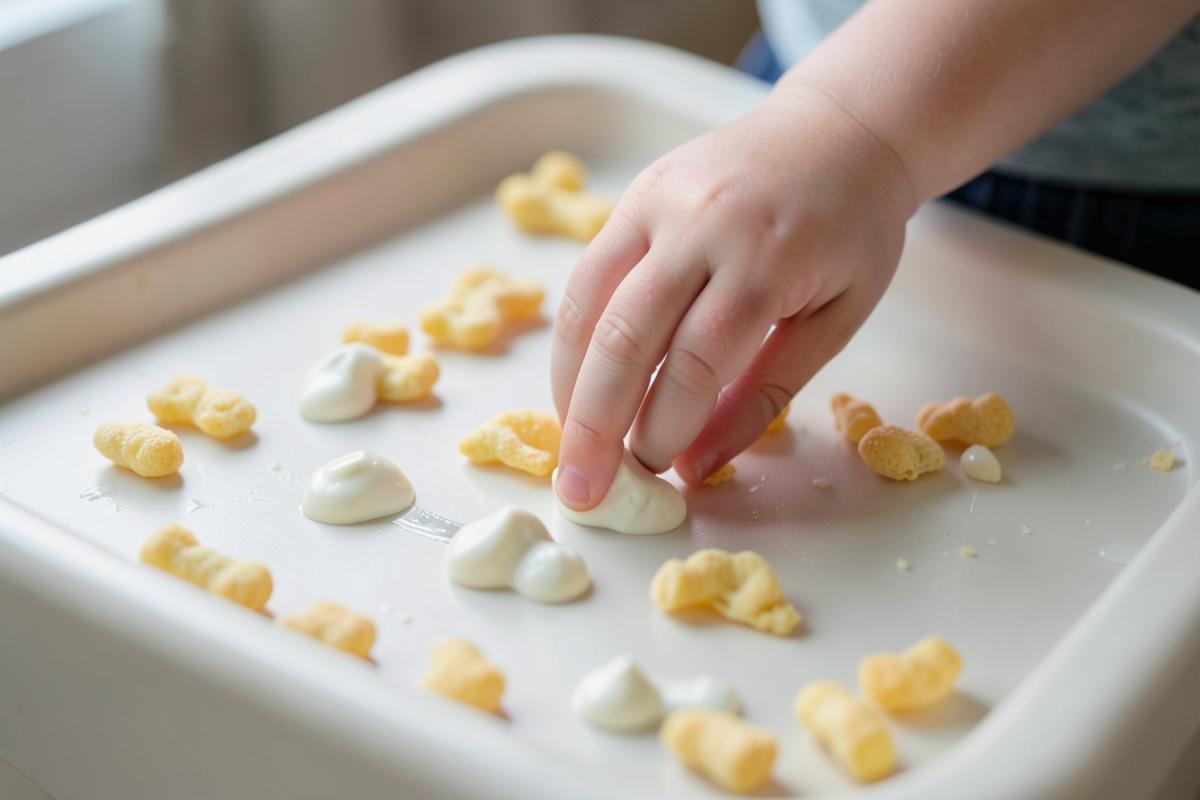
What's Actually in a Yogurt Melt
A typical yogurt melt is yogurt powder, fruit puree or juice concentrate, and a starch or oil to hold the shape and make it dissolve. The freeze-drying that makes them melt in the mouth also removes the water, which concentrates the sugar per gram.
The result is a snack that tastes strongly of fruit, dissolves fast, and delivers far less protein and calcium than the plain yogurt it's named after. That's the trade for shelf stability and convenience.
When Snacks Start to Make Sense
At 6 months, snacks aren't needed. Milk feeds fill the gaps and solids are still practice. From around 9–12 months, as meals grow and milk feeds reduce, a small snack between meals becomes useful.
Before offering any dissolvable finger snack, check that your baby can pick up small pieces between finger and thumb, sits upright unaided, and brings food to their mouth themselves.
Reading a Baby Snack Label
- Sugar sources near the front: cane sugar, fruit juice concentrate, rice syrup, apple puree used as a sweetener.
- 'Made with real fruit' — true of almost everything, and no indication of how much.
- 'Contains vegetables' on a straw or puff — usually a powder in small quantity, not a serving of vegetables.
- Sodium: some savory snacks and puffs carry more than you'd expect.
- Whole milk versus skim yogurt powder: babies need the fat.
- Allergen statements: dairy, soy, and wheat are common in this category.
Where Snacks Genuinely Help
Puffs and melts are excellent for self-feeding practice. They're light enough for weak grips, dissolve if a baby overloads their mouth, and give a baby something to succeed at while you eat. That developmental value is real — just don't confuse it with nutrition.
They're also genuinely useful on planes, in waiting rooms, and anywhere a mess isn't an option. Convenience is a legitimate reason to buy food.
Better Everyday Alternatives
- Plain full-fat yogurt with mashed berries — the food yogurt melts are imitating.
- Ripe avocado or banana strips rolled in fine oat flour for grip.
- Soft-cooked carrot, sweet potato, or green bean sticks.
- Small cubes of soft cheese.
- Soft-cooked pasta shapes or strips of toast with a thin layer of nut butter.
- Chilled soft fruit for sore gums instead of a teething biscuit.
Snack Safety Basics
- Always seat your baby upright at a table or high chair — never in a car seat, stroller, or in your arms while walking.
- Supervise every snack. Gagging is loud and normal; choking is silent.
- One snack food at a time, so you can spot a reaction.
- Skip hard snacks: whole nuts, popcorn, hard raw vegetables, and anything that doesn't squash easily.
- Offer water in an open or straw cup alongside dry snacks.
Scan Before You Buy
Baby snack packaging is designed to be reassuring, which makes the panel on the back the only reliable part. LabelBaby scans the barcode or a photo of the label and tells you in plain language what's driving the sugar and sodium, which allergens are present, and whether the texture fits your baby's stage.
If you're earlier in the journey, start with our 6 month old eating plan or the guide to judging baby food brands. More on the MetricPoint blog.
Employers can offer LabelBaby to their workforce as a family wellness benefit. Book a demo to see how it works.
Continue reading
Bring inclusive wellness benefits to your team.
MetricPoint gives employers a modern, everyday wellness benefit employees actually use.
Request Demo