
How to Judge Baby Food Brands: What Actually Separates a Good Jar From a Bad One
A buyer's guide to baby food brands — the five things worth checking on any label, what organic and 'clean' claims really cover, how pouches compare with jars, and where heavy metals fit in.
Asking which baby food brand is best is a bit like asking which supermarket is best. The answer depends on the product in your hand, not the name on it. Brands that market themselves on purity sell fruit pouches that are mostly sugar; supermarket own-labels sell excellent iron-rich meals.
This guide gives you the criteria to judge any jar, pouch, or box yourself, so you don't have to trust a ranking list — or a front-of-pack claim.
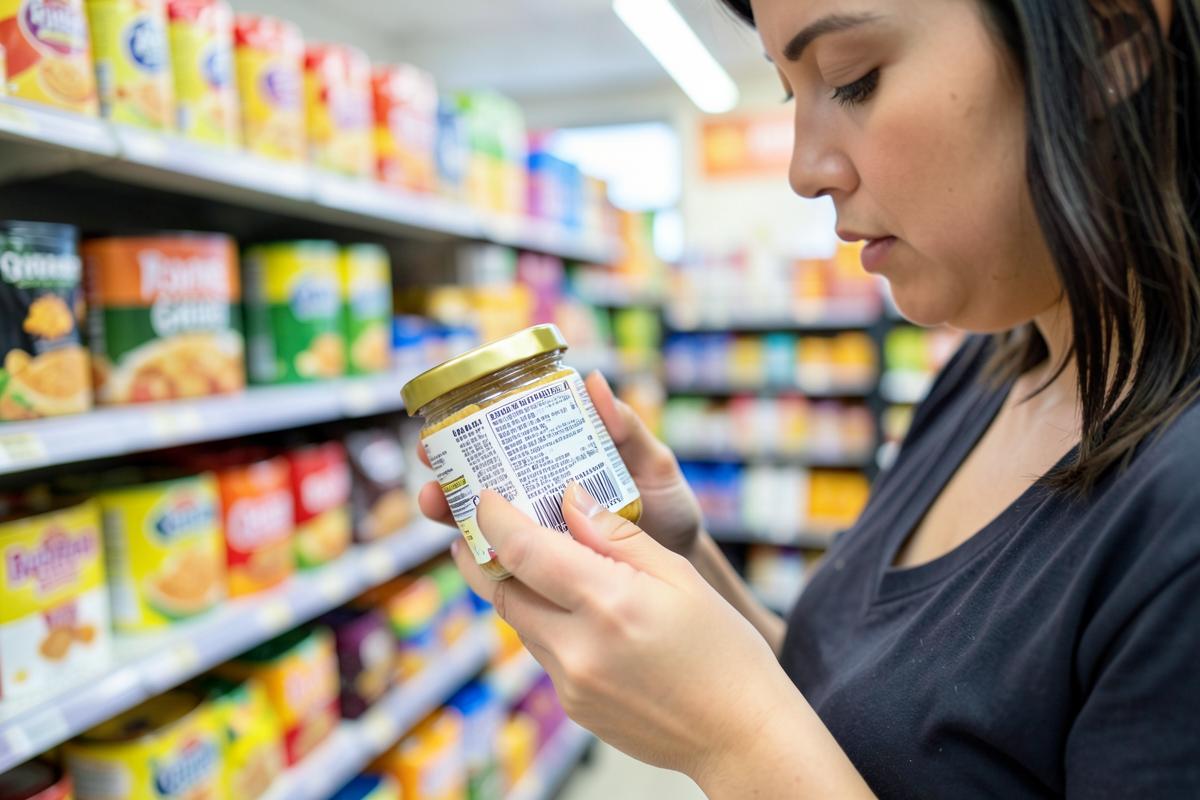
The Five Checks That Matter
1. What's first on the ingredient list
Ingredients are listed by weight. A product called 'chicken and vegetable dinner' that begins with water and rice flour is mostly water and rice flour. For a savory meal, you want the named protein or vegetable near the front.
2. Hidden sugar, especially fruit
Fruit puree and fruit juice concentrate are cheap, sweet bulking agents. A 'spinach, apple and pear' pouch is usually apple and pear with a little spinach. Nothing dangerous about that, but it doesn't deliver what the front of the pack suggests, and a steady diet of sweet purees makes vegetables a harder sell later.
3. Iron and protein
Iron is the nutrient most likely to fall short between 6 and 12 months. Meals built on meat, lentils, or beans, and fortified cereals, do real work here. Fruit-only products, however pure, do not.
4. Sodium
Infant kidneys handle salt poorly. Dedicated baby products are generally low in sodium; the risk comes from feeding babies adult foods, sauces, and stocks. Check the panel if a product is aimed at toddlers rather than infants.
5. Texture versus stage
The age on the front of a package is a marketing category, not a developmental assessment. A smooth puree marked 6m+ may be too easy for a baby already chewing soft finger foods. Progressing texture on time matters for feeding skills.
What 'Organic', 'Natural' and 'Clean' Actually Cover
Organic certification is a farming standard: it restricts synthetic pesticides and fertilizers. It is meaningful for what it covers and silent on everything else — sugar, salt, protein, iron, and naturally occurring soil contaminants.
'Natural', 'clean label', 'no nasties' and similar phrases are marketing language with no fixed legal definition in most markets. They are not evidence of anything. The ingredient list is.
Pouches, Jars, and Frozen
- Pouches: convenient and well sealed. Squeeze onto a spoon rather than letting the baby suck the spout, so chewing and spoon skills still develop.
- Jars and trays: easier to see the texture, easier to serve at the table, usually cheaper per gram.
- Frozen meals: often closest to homemade in texture and ingredient simplicity.
- Homemade: full control, lowest cost, no fortification — so keep an eye on iron.
Heavy Metals, in Proportion
Arsenic, lead, and cadmium occur naturally in soil and water, so trace amounts appear across the whole category — premium and budget alike. Regulators have set action levels for infant rice cereal, and the widely repeated practical advice is variety: rotate grains, ingredients, and brands rather than serving the same rice-based product daily.
Variety is the answer to almost every worry in this category. It reduces exposure to any single contaminant, broadens the nutrient base, and builds a wider palate.
How the Well-Known Brands Actually Differ
The five checks above matter more than the logo on the jar, but the logo isn't meaningless either — brands do have real, documented differences in formulation philosophy and transparency practices. Here's how some of the most recognized names actually differ, judged against those same five checks rather than their marketing.
- Beech-Nut — single-food purees, pouches and organic snacks with non-GMO ingredients and no artificial flavors; voted "Best Baby Food Brand" in a What to Expect survey of over 11,000 parents. Popularity isn't the same as passing the five checks — run any specific jar through them yourself.
- Earth's Best — the first organic baby food brand on the market and still built around organic fruits and vegetables. Organic, as covered above, says nothing about sugar or iron content, so check individual products the same as any brand.
- Once Upon a Farm — cold-pressed, USDA Certified Organic, and one of a handful of brands that voluntarily publish heavy-metal test results for products beyond what California's disclosure law actually requires — real transparency, not just a claim.
- Plum Organics — also among the small group that voluntarily discloses heavy-metal test results ahead of the legal requirement, which is a genuinely useful signal if contaminant exposure is your main concern.
- Serenity Kids — positioned around savory, meat- and vegetable-forward pouches with no added sugar, which lines up with the fruit-heavy warning earlier in this guide. Worth knowing: Consumer Reports flagged Serenity Kids' cassava-based puffs specifically for high lead levels in 2024 — a useful reminder that a brand's general philosophy doesn't guarantee every product in its range, which is exactly why this guide keeps pointing you back to the individual jar.
- Gerber — the largest, most established mainstream brand, with the widest distribution and the broadest product range from purees to toddler snacks. Scale doesn't tell you what's in any one product; the ingredient list still does.
- Little Spoon — sold fresh or frozen through home delivery rather than shelf-stable retail, closer in format to homemade than a jar. A different distribution model, not automatically a different nutrition profile.
The pattern across all of them: even brands built on transparency and clean formulation (Serenity Kids, Once Upon a Farm, Plum Organics) still have individual products worth checking, and even brands with no particular health positioning (Gerber) sell plenty of products that pass the five checks fine. That's the actual argument for judging the jar, not the logo.
A Simple Rule of Thumb
- Buy mostly savory, protein- or vegetable-led products; treat fruit pouches as occasional.
- Read the first three ingredients and ignore the front of the pack.
- Rotate brands and grains rather than settling on one product.
- Match texture to your baby's skills, not the printed age.
- Fill the gaps with simple home food — a mashed lentil or a piece of soft-cooked chicken beats any label.
Compare Two Jars in Ten Seconds
None of these checks are hard, but doing five of them on two products while holding a baby is. LabelBaby scans the barcode or a photo of the panel and gives you a plain-language read on added sugars, sodium, iron, allergens, and stage fit — for the product in front of you, not the brand's reputation.
Start with our 6 month old eating plan if you're just beginning solids, or the baby cereal guide if you're choosing a first grain. More on the MetricPoint blog.
Employers can offer LabelBaby to their workforce as a family wellness benefit. Book a demo to see how it works.
Continue reading
- Guide6 Month Old Eating Plan: A Simple First-Month Schedule for Solids
- GuideBaby Cereal: When to Start, Which Grain to Choose, and How to Read the Label
- GuideHow to Check if Your Baby Food or Formula Has Been Recalled
- Pillar guideThe Complete Guide to Baby Food and Product Safety
- GuideHeavy Metals in Baby Formula: What FDA Testing Found
Bring inclusive wellness benefits to your team.
MetricPoint gives employers a modern, everyday wellness benefit employees actually use.
Request Demo