
Baby Cereal: When to Start, Which Grain to Choose, and How to Read the Label
A plain-language guide to infant cereal — when babies can start, why iron-fortified matters, how rice cereal compares with oatmeal and multigrain, the arsenic question, and what to check on the box.
Baby cereal is usually the first food that comes up when a baby is ready for solids — and it's also one of the most confusing aisles in the store. Rice or oatmeal? Single grain or multigrain? Iron-fortified or organic? And is the arsenic story something to worry about or something to ignore?
This guide answers those questions in plain language, with no fear-mongering. Nothing here replaces your pediatrician's advice, especially if your baby was premature, has allergies, or is on a special feeding plan.
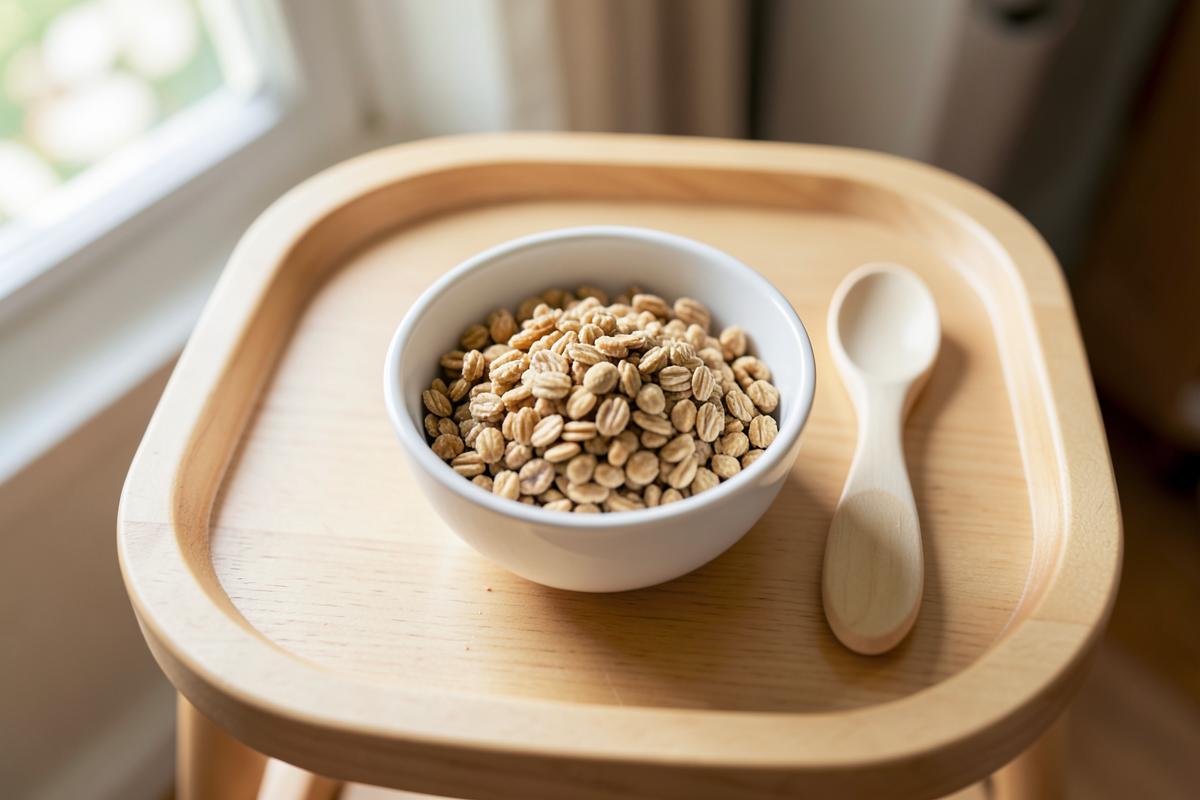
When Can Babies Have Cereal?
Around 6 months is the usual starting point. What matters more than the date on the calendar is whether your baby can sit upright with support, hold their head steady, open their mouth toward a spoon, and move food to the back of the mouth instead of pushing it straight out. Some babies show these signs a little earlier and some a little later.
Starting solids earlier than about 4 months is not recommended. Waiting much past 6 months isn't ideal either, because that's roughly when a baby's own iron stores start running out and milk alone no longer covers the gap.
Why Infant Cereal Is Iron-Fortified
Babies are born with an iron reserve built up in the womb. It typically lasts about six months. After that, infants aged 7–12 months need roughly 11 mg of iron a day — more than an adult man needs — because iron supports rapid brain development at exactly that stage.
Iron-fortified infant cereal is a convenient way to help meet that need, which is why it became the default first food in many countries. It is not the only way. Pureed meat, lentils, beans, and iron-rich vegetables paired with a source of vitamin C all contribute. Cereal is simply easy, cheap, and predictable.
If a box does not say iron-fortified, check the nutrition panel. Plain oats ground at home have no added iron, so a homemade cereal will not do the same job as a fortified one unless the rest of the diet covers it.
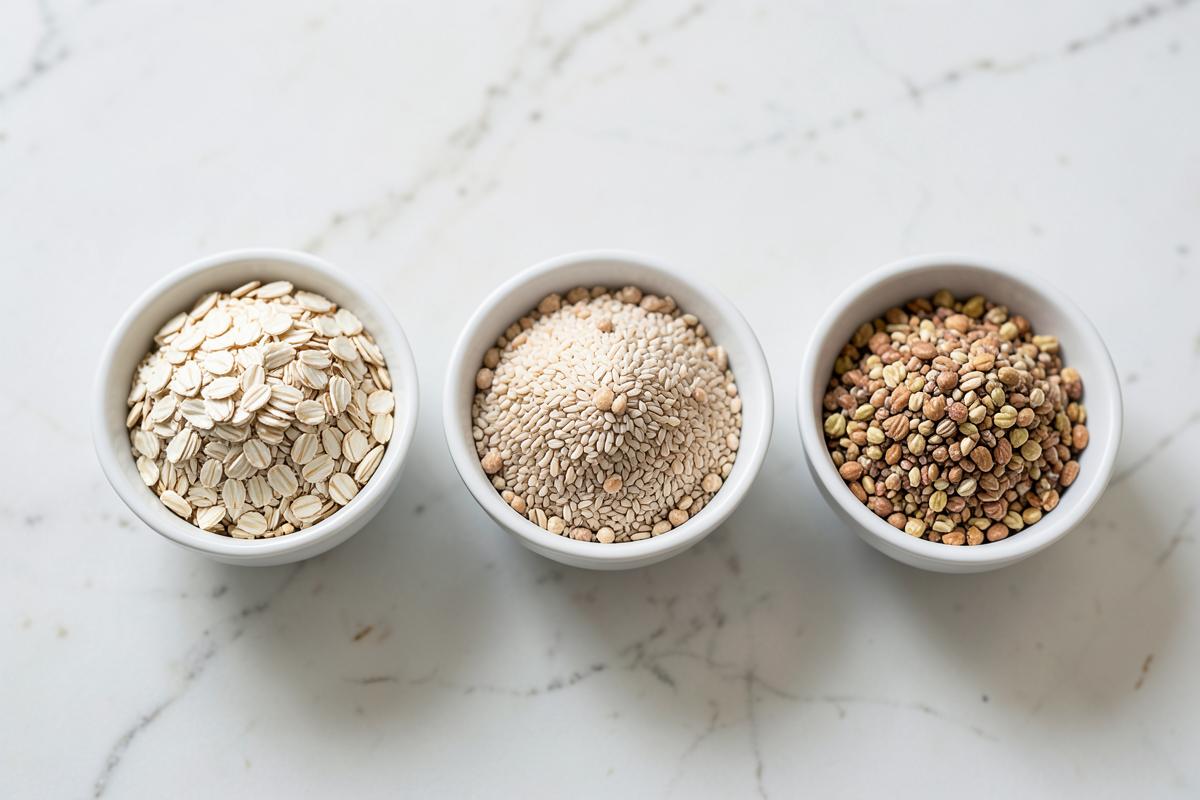
Rice Cereal vs Oatmeal vs Multigrain
All three are typically iron-fortified and all three are easy to thin with breast milk, formula, or water. The differences are worth knowing.
- Rice cereal — the mildest flavor and the traditional first choice, but the grain most associated with inorganic arsenic. Fine occasionally, not ideal daily.
- Oatmeal cereal — a good everyday default. Lower arsenic risk, more fiber, mild flavor, widely available iron-fortified.
- Barley cereal — another low-arsenic single grain, useful for rotating so your baby meets more than one taste and texture.
- Multigrain cereal — usually introduced after a few single grains, so that if a reaction happens you can tell which grain caused it.
The standard approach is to introduce one new single-grain cereal at a time, wait a few days, and watch for any reaction before adding the next.
The Arsenic Question, Without the Panic
Rice takes up more inorganic arsenic from soil and water than most other grains. Because babies eat a large amount of food relative to their body weight, a diet built heavily around rice cereal can add up. The U.S. Food and Drug Administration set an action level of 100 parts per billion of inorganic arsenic in infant rice cereal and advises parents to feed a variety of grains rather than rice cereal alone.
The practical takeaway is not to ban rice cereal. It's to rotate: oat one day, barley another, rice sometimes. Variety solves the problem without any anxiety attached.
Cereal in a Bottle: Don't
Adding cereal to a bottle is a common piece of family advice and it's one to skip. It increases the risk of choking, delivers extra calories without teaching your baby to eat from a spoon, and the belief that it helps babies sleep through the night is not supported by evidence. The exception is a clinician telling you to do it for a specific diagnosed reason, such as significant reflux, with instructions on how.
How Much, and How Often
Start small. A teaspoon or two of very thin cereal once a day is plenty at the beginning. Over a few weeks you can thicken the texture and build to a few tablespoons once or twice a day. Throughout the first year, breast milk or formula stays the main source of nutrition — solids are practice and supplement, not replacement.
Let your baby set the pace. Turning away, closing the mouth, or losing interest are all signals to stop, not obstacles to push through.
What to Check on the Box
- Iron: confirm the cereal is iron-fortified in the nutrition panel, not just implied on the front.
- Grain: single grain for a first cereal; check whether “multigrain” hides a grain your baby hasn't tried.
- Added sugars: an infant cereal does not need any. Fruit powders and concentrates count.
- Sodium: should be negligible in an infant cereal.
- Age labeling: a “6 months+” claim on the front is marketing, not regulation. Judge the ingredients.
- Allergen statements: wheat, milk, and soy show up in some multigrain and “cereal with fruit” products.
Common Mistakes Worth Avoiding
- Serving the same rice cereal every day for months instead of rotating grains.
- Assuming “organic” means lower arsenic — it doesn't, since arsenic comes from soil, not farming method.
- Buying flavored cereals with added fruit concentrate as a first food, which sets an early preference for sweetness.
- Treating cereal as a replacement for milk feeds during the first year.
- Introducing several new grains at once, which makes a reaction impossible to trace.
Read Any Baby Cereal Label in Seconds With LabelBaby
Comparing five boxes in a store aisle while holding a baby is not a fair test of anyone's label-reading skills. LabelBaby scans the barcode or a photo of the panel and breaks the product down in plain language — allergens, added sugars, sodium, and whether it's appropriate for your baby's current feeding stage rather than for the age printed on the front of the box.
You can save a profile for each child, including known allergies, so the same cereal can be graded differently for a seven-month-old than for a toddler. More family food guides are on the MetricPoint blog.
Employers can offer LabelBaby and the rest of the MetricPoint suite to their workforce as a family wellness benefit. Book a demo to see how it works.
Continue reading
Bring inclusive wellness benefits to your team.
MetricPoint gives employers a modern, everyday wellness benefit employees actually use.
Request Demo