
Diabetes: Foods and Drinks to Limit, per CDC, NIDDK and ADA
No single banned-foods list exists for diabetes. See what the CDC, NIDDK and ADA say to limit, how to spot hidden sugars on labels and why plans differ.
Quick answer: There is no single list of banned foods for diabetes. The CDC and NIDDK advise limiting sugary drinks and juice, added sugars, refined grains such as white bread, rice and pasta, salty foods and foods high in saturated fat, and the American Diabetes Association says the right plan is individual. Your care team can set a target that fits your medicines.
"What can't I eat?" is usually the first question after a diabetes diagnosis, and the honest answer is more flexible than most lists online. This guide sets out what the CDC, the NIDDK and the American Diabetes Association (ADA) actually say to limit, what to check on labels, and where your own care team's advice takes over.
There Is No Single Diabetes Diet
The ADA has said that there is no one-size-fits-all eating plan for people with diabetes, and its standards say the mix of carbohydrate, protein and fat should reflect each person's eating patterns, preferences and goals. Type 1 and type 2 diabetes, your medicines, your weight, your kidneys and your culture all shape what works. That is why the guidance below is about what to limit, and why a registered dietitian or doctor can turn it into a plan that suits you.
Sugary Drinks Come First
The NIDDK's guidance on eating with diabetes names sugary foods and drinks, including cookies, cakes, soda, juice, flavored coffee and sports drinks, and advises choosing drinks with little or no added sugar, such as water or unsweetened tea, coffee or sparkling water. The CDC's meal planning page makes the same point about water or low-calorie drinks with meals, and adds that drinking fruit juice raises blood sugar faster than eating whole fruit.
One caution: sugary drinks are also a treatment. The NIDDK advises treating a low blood glucose with 15 to 20 grams of fast-acting carbohydrate, such as glucose tablets or gel, and a small serving of juice or regular soda is on its list of options. If you take insulin or other medicines that can cause lows, ask your care team what to carry and when to use it.
Added Sugars and Refined Grains
The CDC advises including fewer added sugars and refined grains, such as white bread, rice and pasta. The NIDDK's list of recommended choices includes whole grains and high-fiber carbohydrate foods such as brown rice, beans and fruit. The CDC adds that eating carbohydrate with foods that have protein, fat or fiber slows how quickly your blood sugar rises, and that eating about the same amount of carbohydrate at each meal can be helpful. A registered dietitian can set a carbohydrate target for you.
Salt and Saturated Fat
The NIDDK advises planning meals and snacks with fewer foods high in saturated fat, sodium and added sugar. Packaged and prepared foods are the main sources of sodium for most people, so check the Nutrition Facts label and compare similar products. The ADA also advises minimizing added saturated fat.
Alcohol
The NIDDK advises limiting how much you drink. If you take insulin or certain diabetes medicines, alcohol can cause low blood glucose, so it recommends eating food with a drink and checking your blood glucose afterward. Ask your doctor what is safe for you.
Hidden Sugars on Labels
Added sugar goes by many names, and some of them do not look like sugar. On an ingredient list, look for dextrose (also called grape sugar), maltose, malt extract, malt syrup and high-fructose corn syrup, as well as syrups and juice concentrates. These are ingredients that raise blood glucose quickly, which matters for anyone dosing insulin to match what they eat. We explain several of them in our ingredient guide for insulin-dependent diabetes:
- Insulin-dependent diabetes ingredient guide
- Maltose
- Malt extract
- Grape sugar (dextrose)
- High-fructose corn syrup
Build a Plate Instead of a Banned List
Both the CDC and the NIDDK describe the plate method, which controls portions without counting. On a 9-inch plate, fill half with nonstarchy vegetables such as salad, green beans or broccoli, one quarter with lean protein such as chicken, beans, tofu or eggs, and one quarter with carbohydrate foods, ideally high-fiber ones. The NIDDK also describes carbohydrate counting as another option that helps people who take insulin know how much to take. Your care team can tell you which approach fits.
Foods You May Not Need to Fear
Many foods that people assume are off limits are part of the guidance. The NIDDK's recommended choices include fruit, beans, whole grains, dairy or plant-based dairy and starchy vegetables, with the caveat that foods such as fruit, beans, potatoes and corn contain more carbohydrate and need to be counted in your plan. The goal is a plan you can follow, not a list of foods you must never eat.
Check Packaged Foods With Foodsage
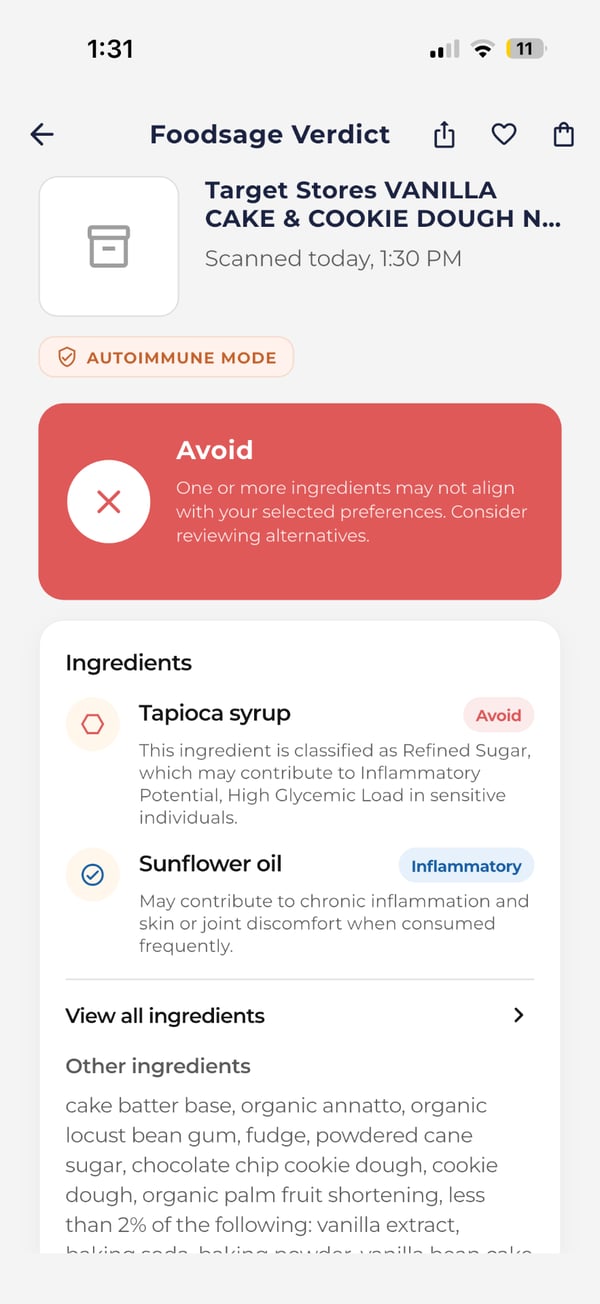
Foodsage is an ingredient checker for people who need to know what is in a product. You can choose diabetes as one of your conditions, add custom sensitivities and choose to avoid added sugars and sweeteners, then scan a barcode or an ingredient list and see which ingredients matched. It does not count carbohydrates, calculate insulin doses, or diagnose or treat any condition, and it is not medical advice. Talk to your doctor or a registered dietitian about your own plan.
Continue reading
Bring inclusive wellness benefits to your team.
MetricPoint gives employers a modern, everyday wellness benefit employees actually use.
Request Demo