
What Are Seed Oils? Non-Seed Oil Alternatives and Seed-Oil-Free Foods
What counts as a seed oil, non-seed oils and seed oil alternatives to cook with (with smoke points), what the debate is about, and seed-oil-free foods.

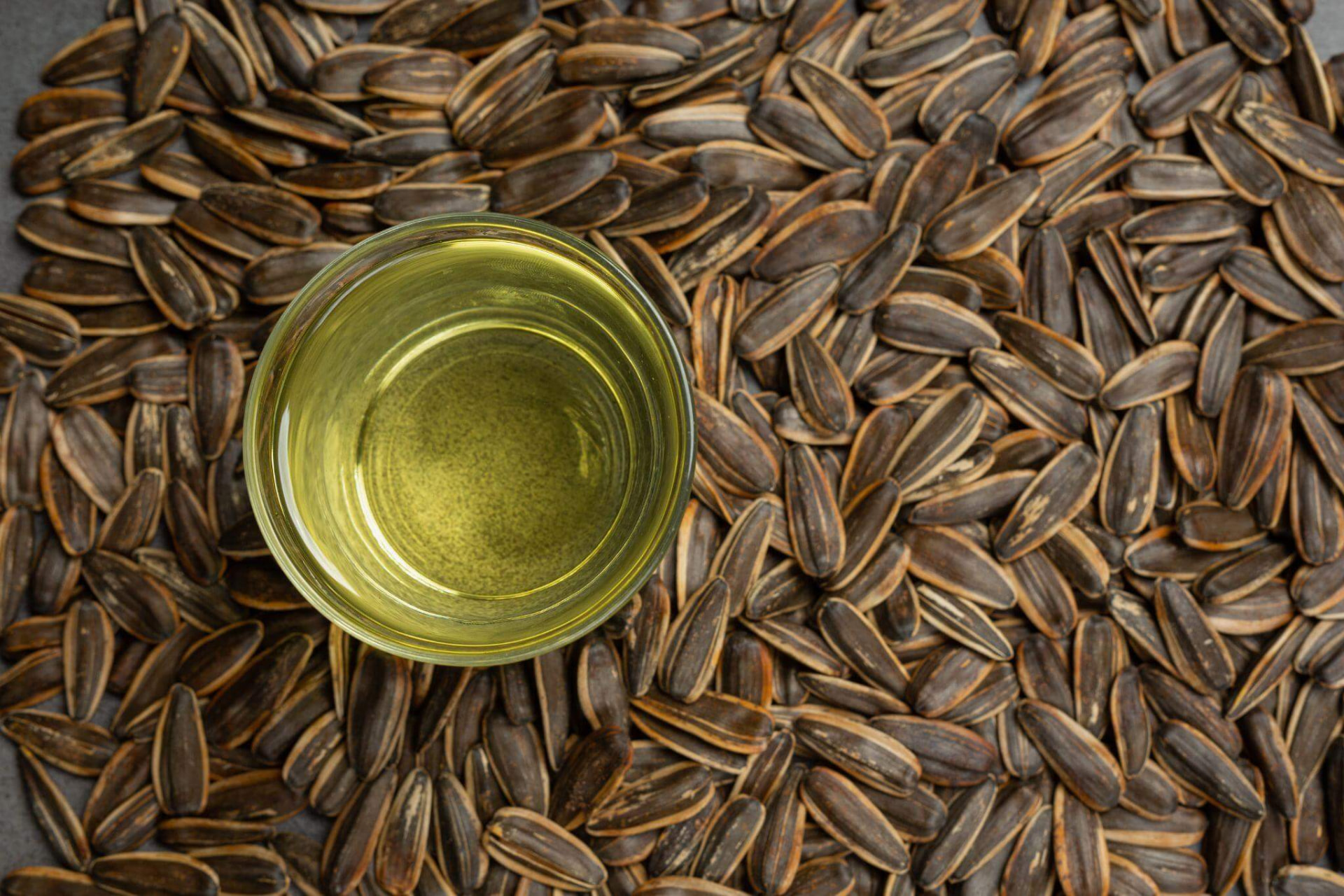
Seed oils are cooking oils pressed or extracted from the seeds of plants, such as canola, soybean, corn, sunflower, and grapeseed oil. They show up in a large share of packaged and restaurant foods, and over the past few years they've become one of the most argued-about ingredients in the wellness world.
This guide keeps things simple: what actually counts as a seed oil, which common oils don't and what to cook with instead, what the debate is really about, and how to find seed-oil-free foods without reading every label letter by letter.
What Are Seed Oils, Exactly?
A seed oil is an edible oil made from the seed of a plant rather than its fruit or nut. Canola oil comes from rapeseed, sunflower oil from sunflower seeds, soybean oil from soybeans, and so on. Most seed oils are high in polyunsaturated fat, and specifically in an omega-6 fatty acid called linoleic acid. That detail is where much of the current debate begins.
The name “seed oil” is a popular label, not an official regulatory category. Because of that, you'll see slightly different lists depending on who's writing them. The oils below are the ones almost everyone includes.
How Seed Oils are Made
Most seed oils sold in supermarkets are produced at scale. The seeds are pressed, and the oil is then refined, bleached, and deodorized so it has a neutral flavor and a long shelf life. Some brands also sell cold-pressed or expeller-pressed versions, which skip parts of that process. The refining step is one of the reasons the category gets criticized, and it's also one of the reasons some claims about seed oils need careful reading rather than a quick verdict.
Why Seed Oils Became a Talking Point
Seed oils picked up a nickname online, the “Hateful Eight,” used by people who choose to avoid them. Social media, podcasts, and food brands marketing themselves as “no seed oils” have pushed the topic into everyday conversation. If you're reading this, there's a good chance you saw one of those claims and wanted a plain answer before deciding what to do.
Which Oils are Seed Oils?
The oils most commonly grouped under “seed oils” are:
- Canola (rapeseed) oil
- Soybean oil
- Corn oil
- Cottonseed oil
- Sunflower oil
- Safflower oil
- Grapeseed oil
- Rice bran oil
You'll also see “vegetable oil” on many ingredient lists. That generic term usually means soybean or canola oil, or a blend, so it counts as a seed oil in practice even though the specific plant isn't named.
What Are Non-Seed Oils?
Non-seed oils come from the fruit, flesh, or nuts of a plant, or from animals. If you're trying to avoid seed oils, these are the fats you'll usually reach for instead. For which one to use for each job, including frying, see our guide to non-seed oils.
Plant Oils that aren't Seed Oils
- Olive oil, pressed from the fruit of the olive
- Avocado oil, pressed from the flesh of the avocado
- Coconut oil, made from the meat of the coconut
- Palm oil, which comes from the fruit of the palm
- Macadamia nut oil, made from the nut
Peanut oil sits in a gray area. Peanuts are legumes, not true seeds or nuts in the everyday sense, so people who avoid seed oils treat it differently depending on how strict they are. If you have a peanut or tree nut allergy, check labels on peanut, macadamia and other nut oils, and ask your allergist whether refined or cold-pressed versions are appropriate for you.
Animal-based Fats
- Butter and ghee
- Beef tallow
- Lard
These are naturally free of seed oils and are common choices for cooking at higher heat.
What to Cook With: Non-Seed Oils by Use
Smoke point is the temperature at which an oil starts to break down and smoke. The figures below are approximate, based on published smoke point data. They vary with how refined the oil is, how fresh it is and the source, so use them as a guide, not a rule.
- Extra virgin olive oil: about 375°F. Best for dressings, sautéing and roasting at moderate heat.
- Refined (light) olive oil: about 390–470°F. A milder option for general cooking.
- Refined avocado oil: about 520°F. Best for searing, stir-frying and other high-heat cooking. Unrefined (virgin) avocado oil is closer to 390°F.
- Coconut oil: about 400°F refined and about 350°F virgin. Common in baking and moderate-heat cooking, with a noticeable flavor when virgin.
- Butter: about 300°F. Best for baking and low-heat cooking, since the milk solids burn easily.
- Ghee (clarified butter): about 480°F. A better choice than butter for high-heat sautéing.
- Beef tallow and lard: roughly 375–480°F depending on the fat and the source. Often used for frying and roasting.
For comparison, canola, sunflower and soybean oil sit at roughly 430–450°F, so non-seed oils are not required for ordinary high-heat cooking. If you avoid seed oils, the practical differences are flavor, price and your own preference.
Are Non-Seed Oils Healthier?
Not automatically. Coconut oil is 80 to 90 percent saturated fat, and Harvard's Nutrition Source notes that its effect on LDL cholesterol is comparable to other saturated fats such as beef fat and palm oil. Harvard recommends oils like olive and canola for everyday cooking, and points out that the American Heart Association likewise recommends replacing saturated fats with unsaturated ones.
Extra virgin olive oil is both a non-seed oil and mostly unsaturated fat, so it fits both approaches. Butter, ghee, tallow, lard, coconut oil and palm oil are higher in saturated fat, so many people use them in smaller amounts, especially if they have high cholesterol or other heart disease risk factors. Your doctor or dietitian can tell you what is right for you.
Substituting for Canola Oil
Most liquid oils can replace canola oil one for one by volume. Use olive oil for dressings and savory cooking, refined avocado oil or light olive oil when you want a neutral flavor or higher heat, and melted coconut oil or butter in baking. Solid fats such as coconut oil and butter should be melted first, and virgin coconut oil and extra virgin olive oil will add their own flavor to the finished dish.
Are Seed Oils Actually Bad for You?
This is the part that gets heated, so it's worth reading both sides rather than a single headline.
The Case People Make Against Seed Oils
The argument usually rests on three points. First, seed oils are high in omega-6 linoleic acid, and many modern diets already skew heavily toward omega-6 over omega-3, so critics want to bring that balance down. Second, most supermarket seed oils are heavily refined, and some people prefer to eat foods that are closer to their whole form. Third, polyunsaturated oils can oxidize when heated repeatedly at high temperatures, which is a common concern with deep frying.
What Mainstream Nutrition Guidance Says
The Academy of Nutrition and Dietetics and other major health and nutrition organizations generally treat these oils as safe to eat in normal amounts. The unsaturated fats in them can fit into a heart-healthy diet, especially when they replace saturated fats. The strong claims that seed oils are “toxic” or a leading cause of disease are not settled science, and the research picture is more mixed than either camp tends to admit.
You'll find confident voices on both sides, and the evidence doesn't yet support a black-and-white answer. What you can control is awareness. Knowing where seed oils are, and choosing based on your own goals and any guidance from your doctor or dietitian, puts the decision back in your hands.
Foodsage and the other MetricPoint apps are educational tools, not medical devices or medical advice. For decisions about your health, allergies, or a specific condition, talk to a qualified doctor or registered dietitian.
Seed-Oil-Free Foods: What to Look For
Finding foods without seed oils is easier once you know where they tend to hide.
Where Seed Oils Show Up
Seed oils are common in salad dressings, mayonnaise, packaged snacks and crackers, protein and granola bars, fried and fast food, many plant-based and meat-alternative products, sauces, and baked goods. They're often used because they're inexpensive and have a neutral taste, which is exactly why they end up in so many products people don't expect.
A Quick Label Checklist
- Read the ingredient list, not just the front of the package.
- Treat “vegetable oil” as a likely seed oil unless the specific oil is named.
- A front-of-pack claim like “made with olive oil” can still list seed oils lower down in the ingredients.
- Look for foods that name a non-seed oil you're happy with, such as olive, avocado, or coconut oil.
- Remember that restaurant and takeout food is often cooked in seed oils even when the menu doesn't mention it.
How to Check Any Label for Seed Oils in Seconds
Reading every ingredient list by hand gets tiring fast, especially on a full grocery run. That's where an ingredient checker helps.
Foodsage reads the full ingredient panel from a barcode or a photo and tells you, in plain language, what's inside. You set the ingredients you're trying to avoid, and each scan is graded against your own profile rather than a generic score, so you can flag seed oils and other additives that matter to you. Over time it surfaces patterns across the products you buy most and points you toward cleaner alternatives that do the same job.
Parents checking baby and toddler products can do the same thing with LabelBaby, which focuses on age-appropriate ingredients and allergens.
Seed oils aren't a mystery once you know what they are and where they turn up. Learn the short list, check the ingredient panel, and choose the fats that fit your own goals. When you'd rather not read every label yourself, try Foodsage and let a quick scan do the reading for you.
Continue reading
- GuideThe Complete List of Seed Oils to Avoid (and What to Use Instead)
- GuideNon-Seed Oils: What to Cook With Instead, and What Works for Frying
- GuideFoods to Avoid With IBS: How to Spot Common Triggers on Food Labels
- GuideGreen Tea Matcha Latte: Hidden Ingredients to Watch For and How to Make It Cleaner
Bring inclusive wellness benefits to your team.
MetricPoint gives employers a modern, everyday wellness benefit employees actually use.
Request Demo