
Hidden Sources of Gluten: Ingredients That Sneak onto Food Labels
Gluten is found naturally in wheat, barley, and rye, but it also turns up in packaged foods that look nothing like bread or pasta. Soy sauce, deli meat,…
Gluten is found naturally in wheat, barley, and rye, but it also turns up in packaged foods that look nothing like bread or pasta. Soy sauce, deli meat, salad dressing, seasoning blends, and flavored chips can all carry gluten from a thickener, a coating, or a malt ingredient.
The word "gluten" rarely appears on an ingredient list, so the grain names and derivatives are what shoppers have to recognize. That is what makes hidden sources of gluten worth learning by name before the next grocery run.
What Is Gluten and Where Is It Found?
Gluten is a group of storage proteins found in certain grains. Wheat contains glutenins and gliadins, rye contains secalins, and barley contains hordeins. In baking, these proteins form a stretchy network that traps gas, which is how bread rises and stays soft.
The obvious gluten-containing foods are the ones built on those grains: wheat bread, pasta, crackers, most baked goods, barley-based drinks, and rye products.
Manufacturers also add wheat proteins and starches to other products as thickeners, binders, and moisture retainers. That is how gluten ends up in items that have nothing to do with baking.
Why Gluten Is Harder to Spot Than It Should Be
Under FDA rules, any ingredient made from wheat has to be declared, either by name in the ingredient list or in a "contains" statement, because wheat is a major food allergen.
Barley and rye do not carry that requirement, since neither one is on the major allergen list. That list began with eight foods under the Food Allergen Labeling and Consumer Protection Act of 2004 and now includes sesame as well.
The practical result is that barley malt can appear on a label with no allergen warning attached. Imported products are a separate problem, because a sauce, mustard, or sausage made overseas may use grain derivatives that a similar American product does not. A label in another language makes that harder still.
Oats are their own category. Oats contain no gluten naturally, but they are routinely grown, transported, and milled alongside wheat, so standard oats and oat flour often carry gluten from cross-contact. Products labeled gluten-free oats or purity-protocol oats are handled separately to avoid that.
Where Gluten Hides in Everyday Packaged Foods
Sauces, condiments, and seasonings catch the most people out. Soy sauce and teriyaki sauce are usually brewed with wheat, gravies are often thickened with flour, and barbecue sauce, marinades, salad dressings, and taco seasoning vary widely by brand.
Soups and prepared foods follow the same pattern. Canned soup, stock, bouillon cubes, seasoned rice mixes, rice pilaf, and frozen vegetables packed in sauce can all include a wheat-based thickener or flavoring.
Processed meats and meat alternatives are worth a close read. Sausage, deli slices, beef jerky, imitation crab, veggie burgers, and meatless hot dogs may use fillers, coatings, or seasoning foods that contain gluten. Seitan is made from wheat gluten outright.
With snacks and sweets, the flavoring usually matters more than the base. Plain corn chips may be fine while the flavored version is not, and licorice, some granola bars, and certain chocolate products contain wheat flour or malt.
Drinks are easy to overlook. Most beers, ales, lagers, and malt beverages are made with barley. Specialty coffee drinks, milkshakes, cocktail mixers, hard lemonades, and canned cocktails can carry malt or flavorings. Most distilled spirits are considered gluten-free, and gluten-free beer is widely available.
Gluten also appears outside the kitchen in some medications, supplements, lip balms, and modeling clay. These matter because gluten has to be swallowed to cause a reaction, and each of those can end up in the mouth in small amounts. Skin contact with a gluten-containing product is a different situation, and it is worth raising with a clinician rather than assuming either way.
Hidden Gluten Ingredients to Recognize on a Label
Learning a short list of names covers most of the work:
- Wheat, barley, rye, and triticale
- Malt, malt extract, malt syrup, malt flavoring, and malt vinegar
- Semolina, durum, farina, and graham flour
- Spelt, farro, kamut, einkorn, emmer, and bulgur
- Wheat starch, wheat bran, wheat germ, and hydrolyzed wheat protein
- Brewer's yeast, which is usually a byproduct of beer brewing, and seitan, which is made from wheat gluten
Two things are worth knowing about that list. "Wheat-free" does not mean gluten-free, because barley and rye are still in play. An unfamiliar ingredient is also not automatically a gluten source, so the full ingredient list and any allergen statement matter more than one suspicious word.
Can Gluten-Free Foods Still Contain Gluten?
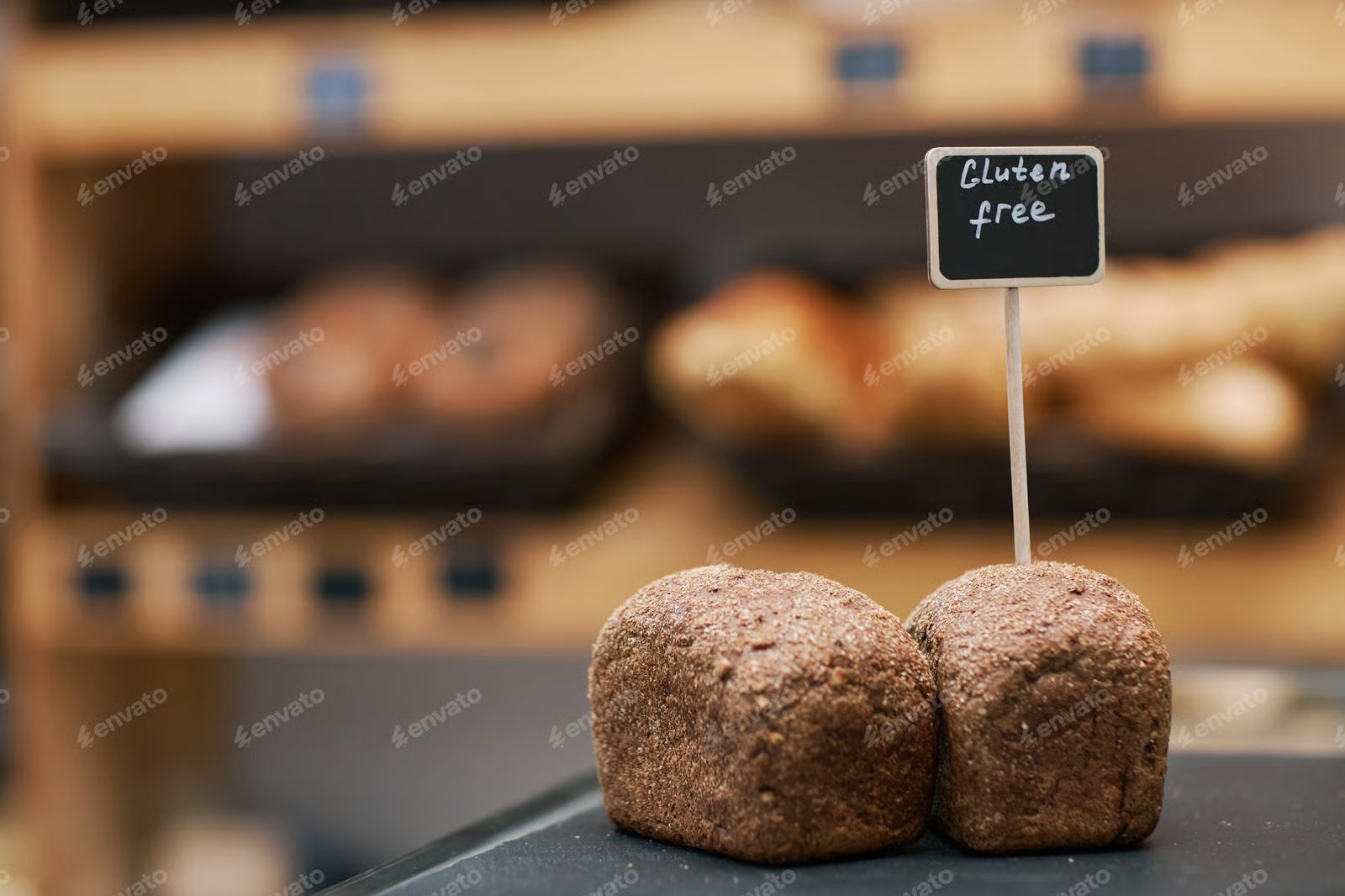
Yes, in small amounts. The FDA sets a limit of less than 20 parts per million of gluten for any packaged food labeled gluten-free, which is a real standard rather than an open claim.
That threshold still allows trace gluten, and it applies to packaged foods rather than fresh items prepared in a kitchen.
Cross-contact is the other piece. Shared toasters, cutting boards, fryers, condiment jars, bakery equipment, and oat processing facilities can all transfer small amounts of gluten to a food that has no gluten ingredient in it. For someone with celiac disease, certified gluten-free products and separate kitchen equipment are usually part of the plan.
Third-party certification is a separate signal from the FDA claim. Some certifiers hold products to thresholds below the FDA's 20 ppm, so a certification mark and a gluten-free claim are not the same thing.
How to Find Hidden Gluten on Food Labels
Start with the full ingredient list rather than the front of the package. Front-of-pack wording is marketing, and it can sit on a product that still contains barley malt.
Scan for the obvious grains first, then for the derivatives such as malt, semolina, spelt, and farro.
Watch for words like crusted, crispy, coated, breaded, or battered, since those usually point to flour.
Doing this for a full cart takes time, which is where a scanning app helps. Foodsage lets you set the ingredients and ingredient families you want to avoid, then reads the whole panel from a barcode or a photo of the label.
It explains what each ingredient is in plain language, grades the product against your own profile instead of a generic score, and can point to cleaner alternatives. That makes it faster to review a panel against the ingredients you have already decided to avoid.
Foodsage is an informational ingredient checker. It is not a medical device, it does not diagnose or treat any condition, and it does not replace a conversation with a doctor or a registered dietitian. Reading the physical label is still the final check, especially with celiac disease or a wheat allergy.
What to Do When You Are Not Sure
Verify rather than guess when an ingredient is unclear. Manufacturer websites often post statements about gluten-containing ingredients and shared equipment, and customer service can confirm what a label leaves out.
Keeping a personal list of brands you have already checked saves repeating the research on every trip. Beyond Celiac, the Celiac Disease Foundation, and the Gluten Intolerance Group all publish consumer-facing resources on packaged foods and cross-contact.
Anyone who needs strict avoidance should build the plan with a doctor or a registered dietitian rather than piecing it together alone.
What to Watch for on Your Next Shopping Trip
Most gluten surprises come from processed foods rather than the bread aisle, and they usually arrive through a thickener, a coating, a seasoning, or malt. Reading the complete ingredient list and checking for gluten-free labeling catches nearly all of them.
Scanning products with Foodsage makes that habit faster on a busy trip. Add the grain names and derivatives to your avoid list once, and every scan checks for them. More ingredient guides are on the MetricPoint blog.
Continue reading
Bring inclusive wellness benefits to your team.
MetricPoint gives employers a modern, everyday wellness benefit employees actually use.
Request Demo