

AI Vs Manual Review Monitoring: Pros, Cons
Customers nowadays rely on online reviews to make effective buying decisions. Not only them, but modern businesses also leverage online reviews to understand customer sentiment and improve their experience.
Reviews can substantially help understand market demand and build a strategy to protect brand reputation while improving their products and services.
Platforms like Google, Amazon, Yelp, and other social media companies often face this challenging decision. Manual tracking of reviews is proven helpful for all, though with the advent of AI-driven convenience, should they rely solely on AI-powered tools?
Stay with us as we walk you through the highs and lows of AI vs manual review monitoring. We’ll clarify the pros and cons, real-world use cases, and what works best for businesses today with both approaches.
Whether you aim to improve review management, enhance product review analytics, or scale online media monitoring, we’ve got you covered. You can make a strong decision after reading this comparison guide.
What is Review Monitoring in the Modern Digital Landscape

Review monitoring is the tracking, analyzing, and responding to customer feedback across digital platforms. It goes beyond simply reading comments.
As a brand, you effectively identify trends, highlight recurring issues, measure human sentiment, and enable timely customer engagement.
What actually happens is, brands grow over time. Manual methods often have to struggle to keep up with the speed and volume of incoming feedback. The use of AI reviews and automated tools makes a real difference here.
It promises efficacy, scalability, and deeper insights.
Pros and Cons of Manual Review Monitoring
Manual review monitoring relies on human teams to track reviews, analyze feedback, and respond individually. It offers a personal touch with contextual understanding: therefore, many businesses still trust this approach.
Do you know what’s one of the biggest advantages of manual review monitoring? It’s its ability to foster human judgement or emotional intelligence. Humans can detect subtle shifts in sentient, cultural nuance, and sarcasm.
Automated systems may miss all of this and much more unless they’re programmed to detect them. You can write personalized responses that exhibit authenticity, even in sensitive situations involving negative feedback.
Note that manual monitoring can become difficult with the increase in review volume, especially when you don’t have a large team. Your team must check different platforms daily, read trends, categorize feedback and respond as early as possible.
But this process requires time, diligence, expense, and is prone to inconsistency. Patience is your key to success.
Harvard Business Review narrates that companies that actively respond to their customer reviews experience an average increase of 0.12 stars in their ratings. But most manual review monitoring systems fail to respond quickly enough to grab their best benefit consistently.
In today’s fast-paced digital world, a delayed response from your business will reduce trust and damage your brand reputation.
You can also miss data-driven insights with manual review management. There’s no doubt that humans can understand individual reviews well, but identifying large-scale sentiment patterns or recurring corners across thousands of reviews remains challenging without analytical support.
Pros and Cons of AI Review Monitoring

AI-powered review monitoring uses machine learning and natural language processing to accurately analyze large volumes of customer feedback in real time. With minimal human input required, these tools efficiently collect, categorize, and interpret reviews across multiple platforms.
One major advantage of AI reviews is speed. AI systems can monitor hundreds of platforms simultaneously and alert businesses to new reviews fast. You can generate responses in time and enjoy proactive reputation management online.
AI also excels at product review analytics. It can identify trends, recurring complaints, sentiment shifts, and performance gaps that would take humans weeks to uncover manually. These insights help businesses make faster, smarter decisions.
Research from PwC shows that 32% of customers will leave a brand after just one bad experience, making early detection of negative sentiment critical. AI-powered review monitoring helps brands spot potential issues before they escalate.
That said, AI is not perfect. Automated systems may misinterpret sarcasm, humor, or culturally specific language. Sometimes, human involvement becomes crucial to make corrections. Over-reliance on automation can also lead to generic responses if personalization is not carefully managed.
Comparing AI vs Manual Review Monitoring
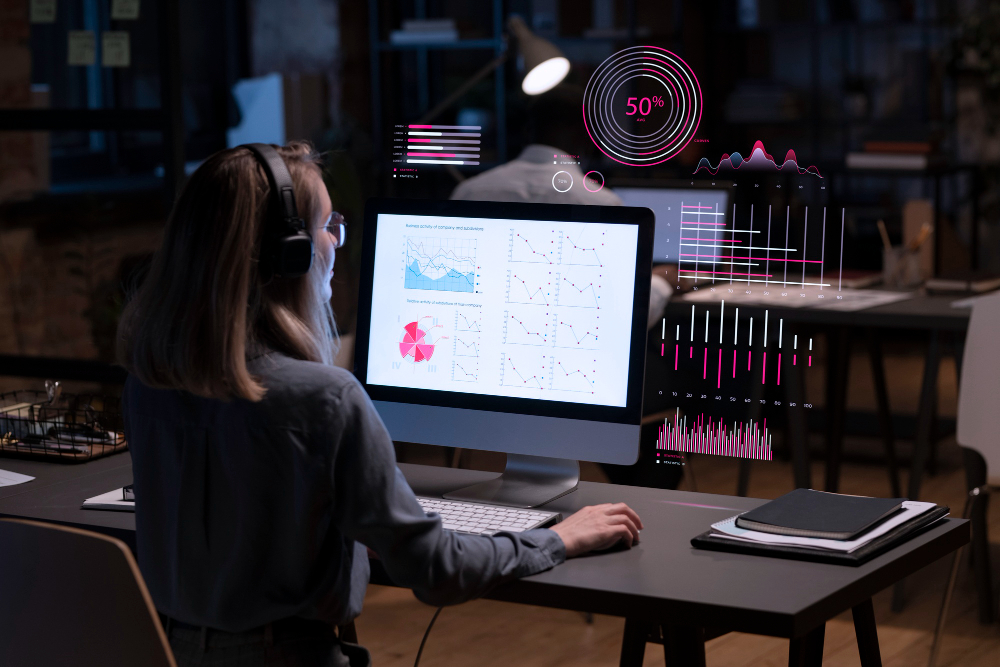
The difference between AI and manual monitoring becomes most visible when evaluating scale, accuracy, and long-term efficiency.
Manual review monitoring works best for small businesses with limited reviews and a strong focus on relationship-building. It allows for thoughtful, customized responses but struggles with consistency and scalability.
AI review monitoring, on the other hand, thrives in high-volume environments. It enables continuous review management, real-time alerts, and deep analytical insights across platforms. While it may lack emotional nuance on its own, it significantly reduces workload and improves response speed.
The real challenge is choosing between authenticity and efficiency. In most modern use cases, the best solution lies somewhere in the middle.
The Hybrid Approach: Can AI and Humans Work Together towards Prosperity?
Sure they can! The hybrid model helps successful brands combine AI-powered monitoring with human oversight. Humans work on strategic decision-making and personalized responses, and AI handles data collection, sentiment analysis, and trend identification.
This approach ensures scalability without sacrificing empathy. AI flags critical reviews, identifies urgent issues, and provides actionable insights. Human teams then step in to craft meaningful responses and implement improvements.
Hybrid systems also improve consistency. AI ensures no review is missed, while humans ensure tone and context are appropriate. This balance creates a more resilient and customer-centric review strategy.
Choosing the Right Review Monitoring Strategy

The best review monitoring solution depends on your business size, review volume, and customer engagement goals. If your brand receives dozens of reviews per month, manual monitoring may still be manageable.
If you’re handling hundreds or thousands across multiple platforms, AI-driven online media monitoring tools become essential.
Businesses focused on growth, reputation protection, and customer intelligence benefit most from AI-supported review management. The ability to analyze sentiment trends, detect risks early, and respond consistently is no longer optional in competitive markets.
Final Thoughts: Monitoring Review Smartly
The debate around AI vs manual review monitoring is not about replacing humans with machines. It’s about using the right tools to enhance decision-making, protect brand reputation, and improve customer experience.
Manual monitoring offers empathy and personalization, but struggles with scale. AI delivers speed, accuracy, and deep insights but needs human guidance for emotional nuance. Together, they form a powerful strategy for modern review management.
As customer feedback continues to shape purchasing behavior, businesses that monitor smarter, not harder, will lead the market.
Let AI-Powered Review Monitoring Work for You!
Stop chasing reviews. Start leading the conversation.
Don’t let a single mention slip through the cracks. From real-time sentiment analysis to predictive risk forecasting, MetricPoint.ai watches your reputation 24/7 so you don’t have to.